Understanding Integrated Marketing: A Powerful Strategy for Consistency
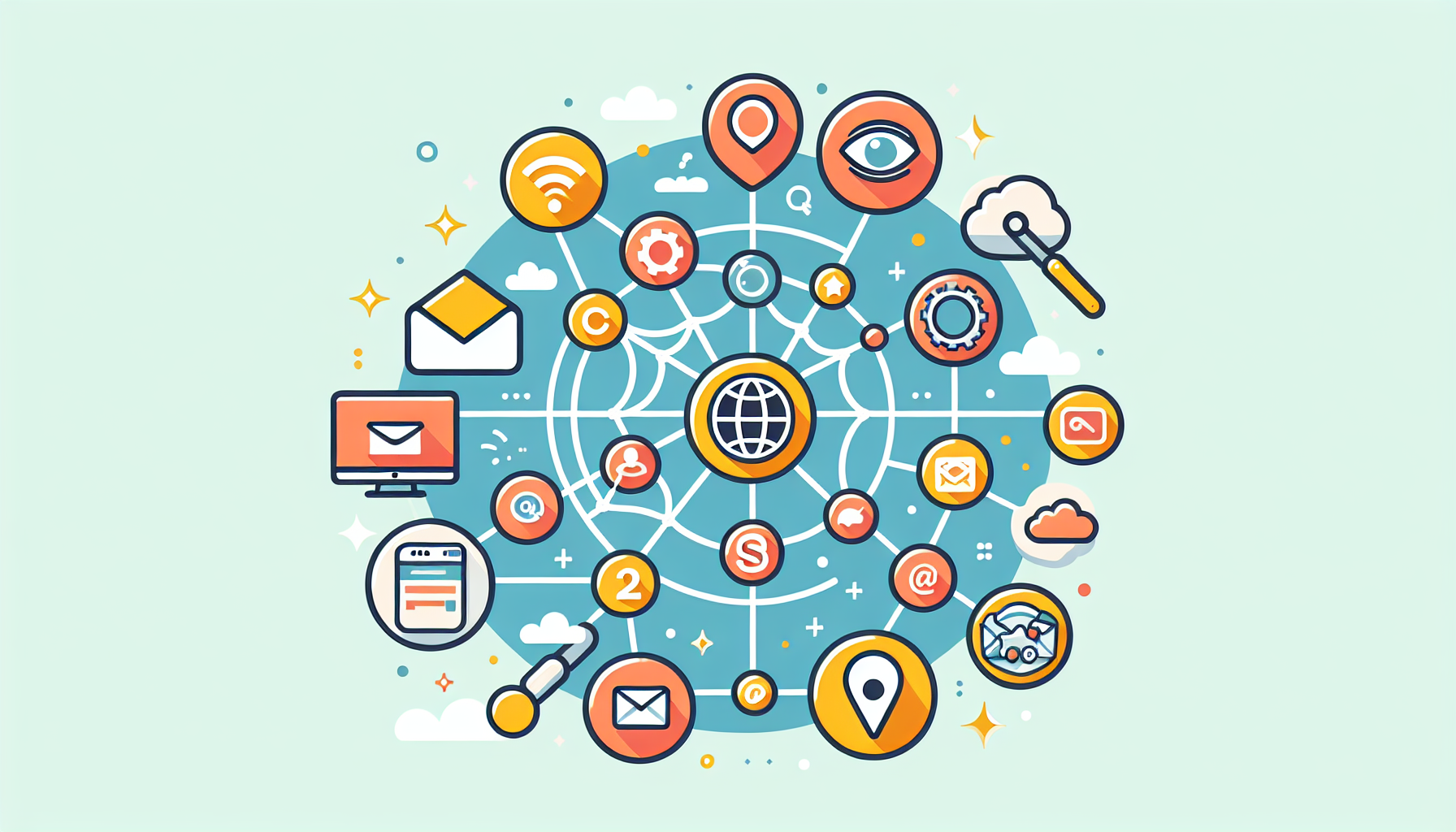
Hey everyone! Let’s talk about something super important in the world of marketing: integrated marketing. So, what exactly does this term mean? Simply put, integrated marketing is all about delivering a unified message across multiple marketing channels. Imagine walking into a store, seeing an eye-catching ad on social media, and watching a commercial on television—all conveying the same core message. This seamless experience is the essence of integrated marketing.
Why Is Integrated Marketing Important?
The beauty of integrated marketing lies in its ability to create a consistent experience for customers, no matter how they interact with the brand. In today's world where customers are bombarded with countless messages, standing out and being memorable is crucial. When a brand employs integrated marketing, it ensures that customers receive the same message across different platforms—be it social media, email newsletters, or traditional advertising.
Consistency Builds Trust
One of the major benefits of integrated marketing is trust. When customers see the same branding, messaging, and values across various channels, it builds a sense of reliability and trust. It signals to customers that the brand knows what it stands for and stands by it. This is particularly important because customers tend to gravitate towards brands that appear cohesive and trustworthy, especially in times of uncertainty.
Examples of Integrated Marketing
Think about brands like Coca-Cola or Apple. Their marketing campaigns are everywhere—online, in stores, on TV, and through influencers. You can bet that whether you're scrolling through Instagram or watching a commercial, the message of joy, refreshment, or innovation remains the same. This approach is a textbook example of integrated marketing at work.
How to Implement Integrated Marketing Strategies
-
Identify a Clear Message: Decide on the core message you want to communicate. Make sure it aligns with your brand identity and is easy for your audience to understand.
-
Choose Your Channels Wisely: Different messages may resonate more effectively on certain platforms. Identify where your audience spends their time and focus your efforts there.
-
Create Cohesive Content: Tailor your content for each platform, but keep the central message consistent. For example, a video might have a more detailed message, while a social media post might highlight a key takeaway.
- Monitor and Adjust: Use analytics tools to track the performance of your campaigns across different channels. Be prepared to tweak your approach based on what is working and what’s not.
Conclusion
As we navigate the evolving landscape of marketing, integrating your efforts into a unified strategy can be a game-changer. Whether you're a small business owner or part of a large corporation, embracing integrated marketing can help you build a strong and trustworthy presence that resonates with customers. So, next time you think about your marketing strategies, remember the power of consistency and the impact that integrated marketing can have on your brand’s success!
By leveraging integrated marketing strategies, you can ensure that your audience engages positively with your brand, no matter where they encounter it. So, why not start integrating today?